
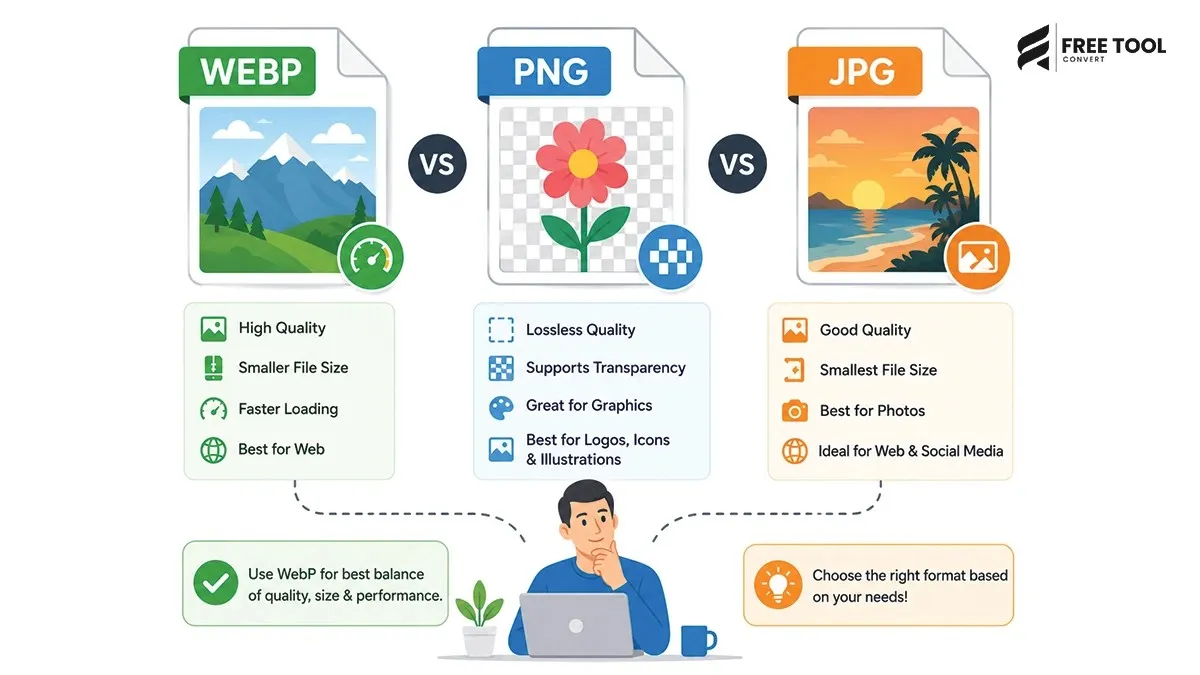
WebP vs PNG vs JPG Explained: Images are a critical part of modern digital experiences. Whether you’re building a website, designing graphics, or sharing content online, choosing the right image format directly impacts:
- Website loading speed
- Image quality
- SEO performance
- User experience
The three most commonly used formats are WebP, PNG, and JPG (JPEG). Each has its strengths, weaknesses, and ideal use cases.
Table of Contents
What Is JPG (JPEG)?
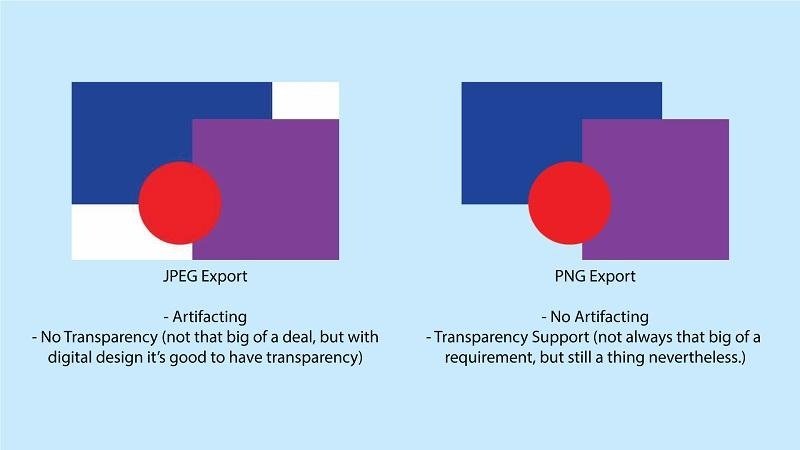
JPG (Joint Photographic Experts Group) is one of the most widely used image formats, especially for photographs.
Key Features:
- Lossy compression
- Smaller file size
- Supports millions of colors
- No transparency support
Best For:
- Photographs
- Social media images
- Website images
What Is PNG?
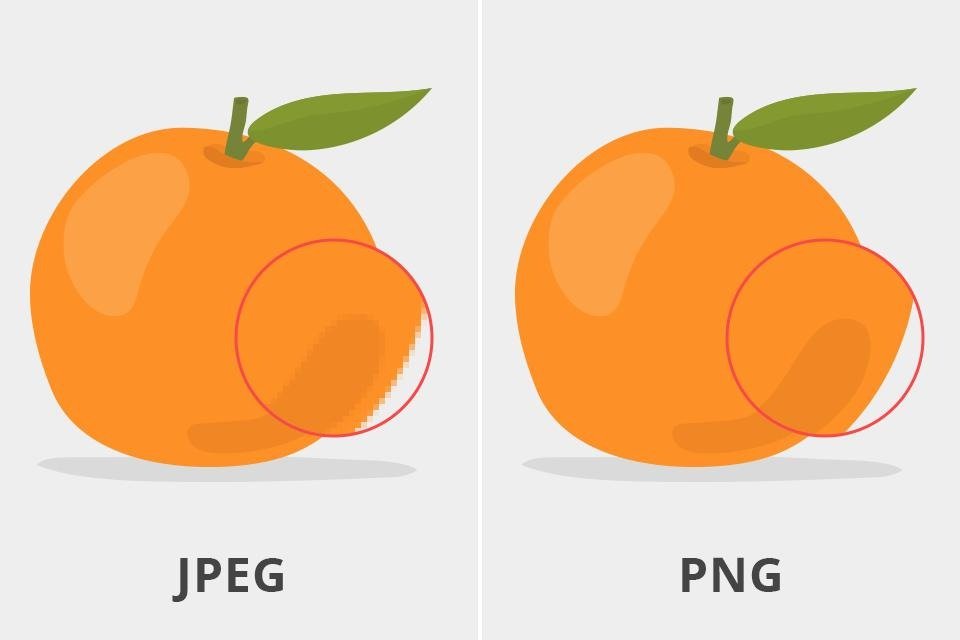
PNG (Portable Network Graphics) is known for its high quality and support for transparency.
Key Features:
- Lossless compression
- High image quality
- Supports transparency
- Larger file size
Best For:
- Logos
- Icons
- Graphics with text
- Transparent backgrounds
What Is WebP?
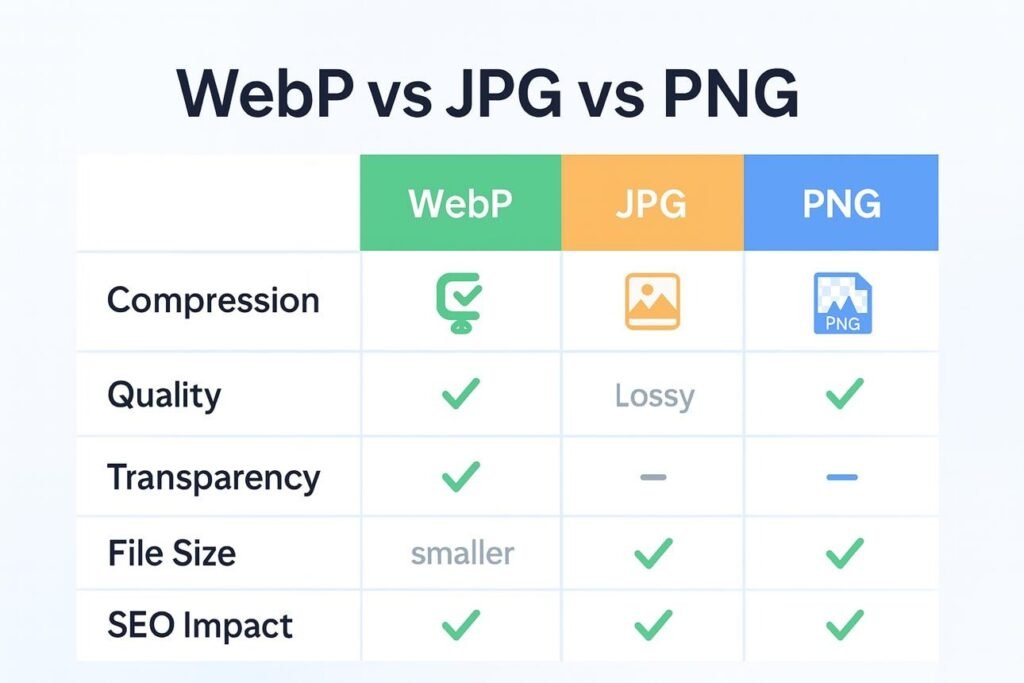
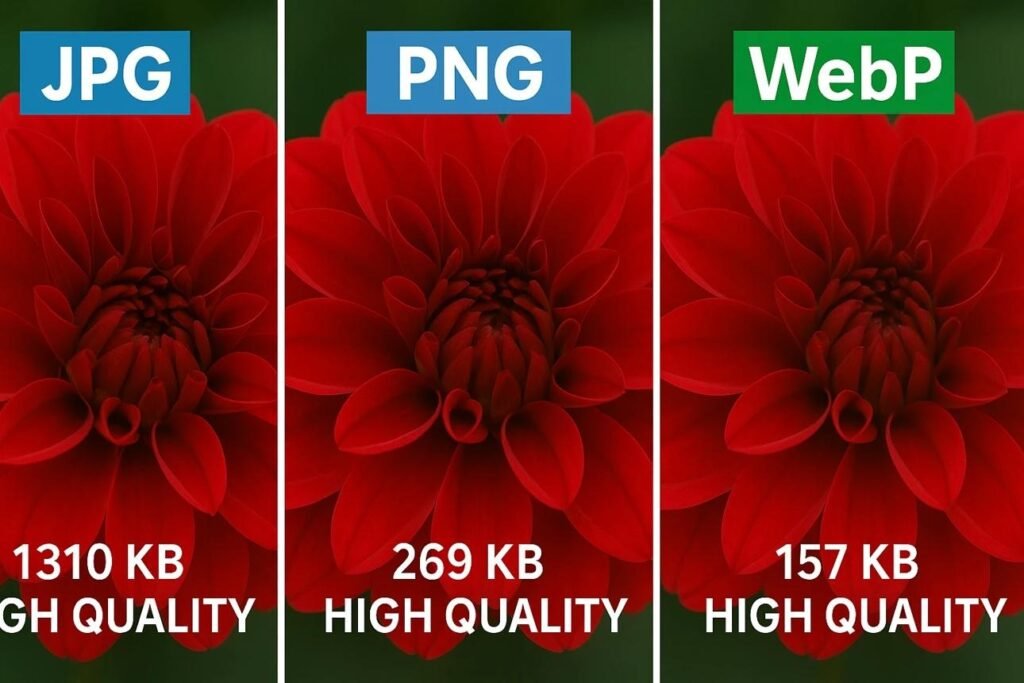
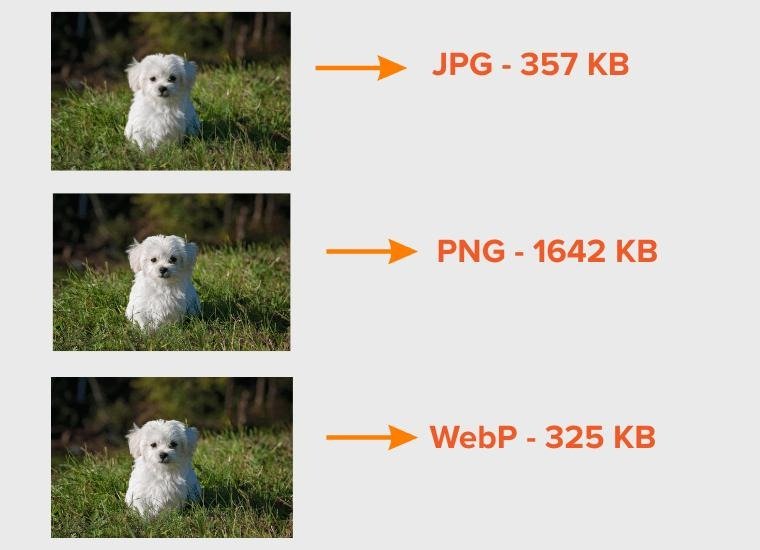
WebP is a modern image format developed by Google that offers superior compression and quality.
Key Features:
- Lossy and lossless compression
- Smaller file size than JPG and PNG
- Supports transparency
- Supports animation
Best For:
- Websites
- Performance optimization
- SEO-friendly images
WebP vs PNG vs JPG – Quick Comparison Table
| Feature | JPG | PNG | WebP |
| Compression | Lossy | Lossless | Both |
| File Size | Small | Large | Very Small |
| Quality | Medium-High | High | High |
| Transparency | No | Yes | Yes |
| SEO Performance | Good | Moderate | Excellent |
| Best Use | Photos | Graphics | Web Optimization |
File Size Comparison
One of the biggest differences is file size:
- JPG – Medium size
- PNG – Large size
- WebP – Smallest size
Example:
- JPG: 500 KB
- PNG: 1.2 MB
- WebP: 300 KB
This makes WebP the best choice for performance.
Image Quality Comparison
JPG
- Slight quality loss
- Good for photos
PNG
- No quality loss
- Best for sharp images
WebP
- Excellent quality with smaller size
- Best balance
When to Use JPG
Use JPG when:
- You have photographs
- File size matters
- No transparency is needed
- You need compatibility across all platforms
When to Use PNG
Use PNG when:
- You need transparency
- Image quality is critical
- You’re working with logos or graphics
- Sharp edges are required
When to Use WebP
Use WebP when:
- You want fast-loading websites
- You need both quality and compression
- You want better SEO performance
- You are optimizing images for web
SEO Impact of Image Formats
Image format directly affects SEO:
Page Speed
WebP improves loading speed significantly.
User Experience
Faster images reduce bounce rate.
Core Web Vitals
Optimized images improve LCP scores.
Mobile Performance
Smaller images load faster on mobile devices.
WebP vs JPG vs PNG for Websites
If your goal is SEO + performance, then:
- Use WebP for most images
- Use PNG for transparency
- Use JPG for compatibility
Advantages of WebP Over JPG & PNG
- Up to 30–70% smaller file size
- Supports transparency like PNG
- Better compression than JPG
- Ideal for modern websites
Disadvantages of WebP
- Not supported by very old browsers
- Requires conversion tools
Common Mistakes to Avoid
- Using PNG for large photos
- Using JPG for transparent images
- Not optimizing images for web
- Ignoring file size
Best Practices for Image Optimization
- Use WebP whenever possible
- Compress images before uploading
- Choose correct format for purpose
- Optimize for mobile
- Use lazy loading
WebP vs PNG vs JPG for Different Use Cases
For Blogging
- WebP (best)
- JPG (alternative)
For Logos
- PNG
- WebP (modern option)
For eCommerce
- WebP for product images
For Social Media
- JPG
Conversion Tools (Recommended)
You can easily convert between formats using:
- FreeToolConvert Image Converter
- JPG to WebP Converter
- PNG to WebP Converter
- Image Compressor
Future of Image Formats
The future is moving towards:
- WebP adoption
- AVIF format
- AI-based image optimization
WebP is currently the best balance.
Conclusion
Choosing the right image format is crucial for performance, quality, and SEO.
- JPG – Best for photos
- PNG – Best for graphics and transparency
- WebP – Best overall for web performance
If you want faster websites, better SEO, and optimized images — WebP is the future.
Frequently Asked Questions
Is WebP better than JPG?
Yes, it offers better compression and quality.
When should I use PNG?
For transparency and high-quality graphics.
Does WebP improve SEO?
Yes, it improves page speed and performance.
Can I convert JPG to WebP?
Yes, using online tools like FreeToolConvert.
Is PNG better than JPG?
For quality and transparency, yes.
Which format is smallest?
WebP has the smallest file size.
Optimize Your Images Today
Want better performance and SEO?
Convert JPG to WebP
Compress images instantly
Optimize your website speed
Improve user experience
Start using free image tools online today and make your website faster, lighter, and more powerful!